In this comprehensive guide, you will discover the best ways to prevent the pesky problem of ingrown hairs. From simple and practical tips to tried-and-true remedies, we will explore all the strategies you need to know to keep those painful bumps at bay. Whether you’re dealing with ingrown hairs on your legs, face, or bikini area, this article has got you covered. Say goodbye to irritation and hello to smooth, bump-free skin with our ultimate guide to preventing ingrown hairs.
Understanding Ingrown Hairs
Ingrown hairs are a common issue that many people face, but not everyone fully understands them. In this article, we will delve into the world of ingrown hairs, exploring what they are, what causes them, the different types, and the common areas where they tend to occur. Armed with this knowledge, you will be better equipped to prevent ingrown hairs and keep your skin smooth and irritation-free.
What Are Ingrown Hairs?
Ingrown hairs are hair follicles that have curled or grown sideways instead of upward from the skin. Instead of emerging from the follicle and growing freely, these hairs become trapped under the skin, causing inflammation, redness, and irritation. They are common after hair removal methods such as shaving, waxing, plucking, and even when hair grows naturally.
Causes of Ingrown Hairs
Several factors contribute to the occurrence of ingrown hairs. Firstly, improper hair removal techniques like shaving too closely or in the wrong direction can cause the hair to grow back into the skin. Secondly, wearing tight clothing that rubs against the skin can lead to friction and irritation, resulting in ingrown hairs. Lastly, individuals with curly or coarse hair are more prone to ingrown hairs due to the hair’s natural tendency to curl back into the skin.
Types of Ingrown Hairs
While ingrown hairs can occur on any part of the body, certain areas are more susceptible than others. Facial hair, particularly in the beard area, is a common location for ingrown hairs in men. Women often experience them in the bikini area, as well as on the legs and underarms. Furthermore, ingrown hairs can also develop on the scalp, causing discomfort and itching.
Common Areas for Ingrown Hairs
Let’s take a closer look at some of the common areas where ingrown hairs tend to occur:
Face: Ingrown hairs on the face are often found in the beard area for men and the upper lip and chin for women. This can be particularly bothersome and can even result in painful and unsightly bumps.
Bikini Area: The delicate skin in the bikini area is prone to ingrown hairs, especially after shaving or waxing. These ingrown hairs can cause itchiness, redness, and even infection if not properly addressed.
Legs: Both men and women frequently experience ingrown hairs on their legs. Wearing tight clothing or using dull razors can exacerbate the problem and lead to ingrown hairs on this area of the body.
Preventing Ingrown Hairs: Preparing the Skin
To prevent ingrown hairs, it is crucial to properly prepare the skin before any hair removal method. This involves employing effective exfoliation techniques, selecting the right exfoliator for your skin type, and following pre-exfoliation preparations.
Exfoliation Techniques
Exfoliation is the process of removing dead skin cells from the surface of the skin. By exfoliating regularly, you can help prevent the build-up of dead skin cells that can clog hair follicles and contribute to ingrown hairs. There are two main techniques for exfoliating the skin: physical exfoliation and chemical exfoliation.
Physical exfoliation involves using a scrub or brush to physically remove dead skin cells. This can be achieved by gentle circular motions with a scrub or using a brush specifically designed for exfoliation. Chemical exfoliation, on the other hand, involves the use of products containing exfoliating acids such as alpha-hydroxy acids (AHAs) or beta-hydroxy acids (BHAs) to dissolve dead skin cells.
Choosing the Right Exfoliator
When selecting an exfoliator, it’s important to consider your skin type. If you have sensitive skin, opt for a gentle exfoliator with a finer texture to avoid causing irritation. For those with oily or acne-prone skin, products containing salicylic acid can be particularly effective in preventing ingrown hairs. However, it’s advisable to consult with a dermatologist or skincare professional to determine the most suitable exfoliator for your specific skin needs.
Pre-Exfoliation Preparations
Before exfoliating, it’s essential to prepare the skin properly to ensure the best results and reduce the risk of irritation. Start by cleansing your skin with a gentle, soap-free cleanser to remove any dirt, oil, or makeup. Next, wet your skin with lukewarm water to soften it, making exfoliation more effective and comfortable. Finally, pat your skin dry with a clean towel, ensuring it’s not too harsh on your skin.
Preventing Ingrown Hairs: Shaving Techniques
Shaving is one of the most common methods of hair removal, but it can also lead to ingrown hairs if not done correctly. By following the proper shaving techniques, you can significantly reduce the risk of ingrown hairs and achieve a smoother, irritation-free shave.
Wet vs. Dry Shaving
One important decision to make when shaving is whether to opt for wet or dry shaving. Wet shaving involves using water and shaving cream or gel to soften the hair and minimize friction, resulting in a smoother shave. Dry shaving, on the other hand, refers to shaving without any water or lubrication. While dry shaving may be convenient in certain situations, it can increase the likelihood of ingrown hairs due to the lack of lubrication and increased friction.
Using the Correct Shaving Cream or Gel
When wet shaving, it’s crucial to choose the right shaving cream or gel for your skin type. Look for products that contain moisturizing and soothing ingredients like aloe vera, chamomile, or glycerin. These ingredients help to soften the hair and provide a protective barrier between the razor and your skin, reducing the risk of ingrown hairs and irritation.
Proper Use of Razors
Using the correct razor and handling it properly is essential for preventing ingrown hairs. Opt for razors with multiple blades and a pivoting head, as they provide a closer shave and minimize the chances of ingrown hairs. It’s also important to replace your razor blades regularly to ensure they are sharp and effective. Dull blades can tug at the hair instead of cutting it cleanly, increasing the risk of ingrown hairs.
Shaving Against the Grain
One common mistake people make when shaving is going against the grain of their hair growth. While shaving against the grain may provide a closer shave, it significantly increases the likelihood of ingrown hairs. To minimize the risk, always shave in the direction of hair growth. This may not give you the closest shave initially, but it will help prevent irritation, redness, and ingrown hairs.
Preventing Ingrown Hairs: Waxing and Epilating
Waxing and epilating are popular hair removal methods that, when done correctly, can help prevent ingrown hairs. These techniques remove the hair from the root, reducing the chances of it growing back into the skin. However, it’s essential to follow proper techniques to achieve optimal results and minimize the risk of ingrown hairs.
Benefits of Waxing and Epilating
Waxing and epilating offer several benefits for preventing ingrown hairs. By removing the hair from the root, these methods allow for a longer period of hair-free skin compared to shaving. This means fewer opportunities for hairs to grow back into the skin. Additionally, waxing and epilating can help improve the texture and appearance of the skin over time.
Proper Technique for Waxing
When waxing, it’s crucial to ensure that the hair is the right length before applying the wax. The ideal length is about ¼ to ½ inch, allowing the wax to grip the hair effectively. Be sure to clean and dry the area to be waxed thoroughly before applying the wax. Apply the wax in the direction of hair growth, and remove it quickly against the direction of hair growth, using a firm, even motion. After waxing, apply a soothing lotion or aloe vera gel to calm the skin and reduce inflammation.
Proper Technique for Epilating
Epilating involves using an electronic device that plucks out the hair from the root. Before epilating, exfoliate the skin to remove any dead skin cells that may clog the hair follicles. Stretch the skin taught and move the epilator in the direction of hair growth, making sure to hold it at a 90-degree angle to the skin. Afterward, apply a cool compress to soothe the skin and reduce any redness or irritation.
Preventing Ingrown Hairs: Tweezing and Plucking
Tweezing and plucking are precise methods of hair removal that can also lead to ingrown hairs if not performed correctly. By following some best practices and using sterilized tools, you can effectively remove unwanted hair while minimizing the risk of ingrown hairs.
Best Practices for Tweezing
Before tweezing, wash your face or the area to be tweezed with warm water to open up the pores and soften the hair follicles. Sterilize your tweezers by wiping them with rubbing alcohol to prevent infection and ensure a hygienic process. When tweezing, grasp the hair as close to the root as possible and pull it out in the direction of hair growth. Avoid plucking multiple hairs at once, as this can lead to breakage or damage to the hair follicles.

How to Avoid Ingrown Hairs while Plucking
When plucking hairs, it’s important to take precautions to prevent ingrown hairs. One effective way to prevent them is to exfoliate the skin regularly to remove any dead skin cells that may clog the hair follicles. Additionally, avoid over-plucking or creating a sharp angle at the root. This can cause the hair to grow back irregularly or become trapped under the skin, leading to ingrown hairs.
Using Sterilized Tools to Prevent Infection
To minimize the risk of infection and promote healthy skin, it’s vital to use sterilized tools when tweezing or plucking hairs. This includes not only the tweezers but also any other tools that come into contact with the skin, such as scissors. Sterilize these tools by cleaning them with rubbing alcohol or boiling them in hot water. By maintaining a clean and hygienic environment, you can prevent bacteria from entering the hair follicles and causing infection.
Preventing Ingrown Hairs: Moisturizing and Hydrating
Moisturizing and hydrating the skin is an essential step in preventing ingrown hairs. Properly moisturized skin is more supple, reducing the chances of hair becoming trapped under the surface. By choosing the right moisturizer, applying it effectively, and ensuring adequate hydration, you can keep your skin healthy and minimize the risk of ingrown hairs.
Importance of Moisturizing
Moisturizing is crucial for maintaining healthy skin and preventing ingrown hairs. By replenishing the skin’s moisture barrier, moisturizers help to keep the skin hydrated and supple. This reduces the likelihood of dryness and flakiness, both of which can contribute to ingrown hairs.
Choosing the Right Moisturizer
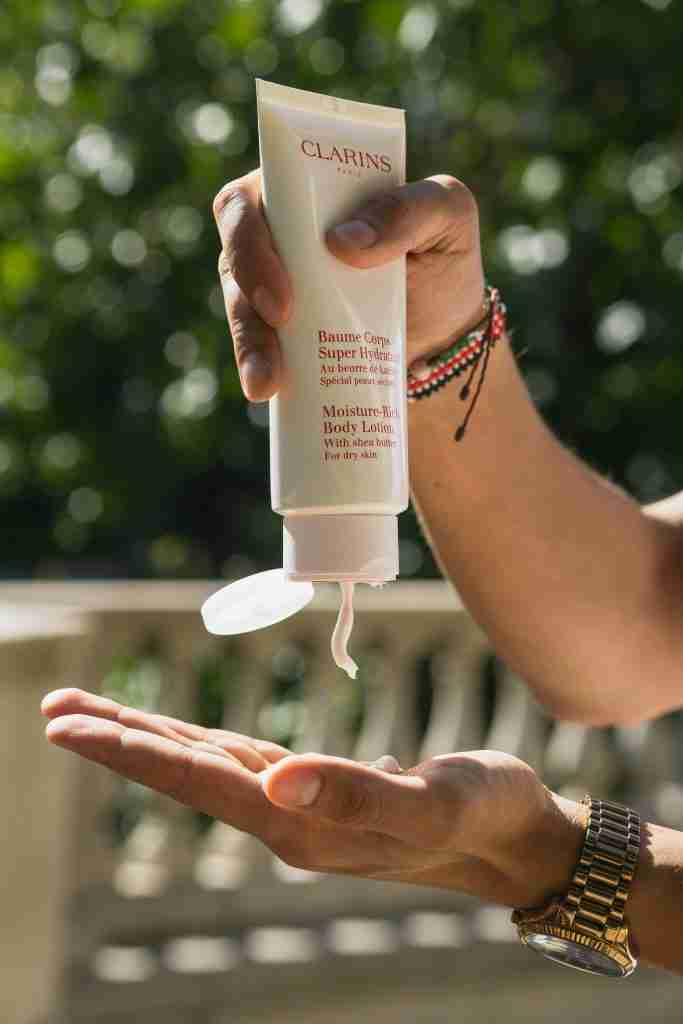
Selecting the right moisturizer for your skin type is important to prevent ingrown hairs effectively. Opt for a moisturizer that is non-comedogenic, meaning it won’t clog your pores. Look for ingredients such as hyaluronic acid, glycerin, or ceramides, which help attract and retain moisture in the skin. If you have sensitive skin, choose fragrance-free and hypoallergenic moisturizers to minimize the risk of irritation.
Applying Moisturizer Effectively
To reap the maximum benefits, it’s essential to apply moisturizer effectively. After cleansing or exfoliating, pat your skin dry with a clean towel, leaving a bit of moisture on the skin. This allows the moisturizer to lock in the existing hydration. Gently massage the moisturizer into your skin using upward circular motions, focusing on areas prone to ingrown hairs. Be sure to avoid rubbing or pulling on the skin, as this can cause irritation and friction.
Hydrating the Skin adequately
In addition to moisturizing, hydrating the skin from within is key to preventing ingrown hairs. Ensure you drink enough water throughout the day to keep your body and skin hydrated. Proper hydration helps maintain the skin’s health, elasticity, and overall function, reducing the chances of dryness and promoting a smoother complexion. Aim for at least eight glasses of water per day, and increase your intake if you engage in physical activity or live in a particularly dry climate.
Preventing Ingrown Hairs: Clothing and Fabric Choices
The clothes we wear can also contribute to the occurrence of ingrown hairs. By considering factors such as clothing materials, the fit of the garments, and avoiding friction and irritation, you can minimize the risk of ingrown hairs.
Consideration of Clothing Materials
When it comes to preventing ingrown hairs, the choice of clothing materials plays a significant role. Opt for breathable fabrics such as cotton or moisture-wicking materials like bamboo or synthetic blends. These fabrics allow for better air circulation, reducing the chances of excessive moisture and sweat that can contribute to ingrown hairs. Avoid synthetic materials like polyester or nylon, as they can trap moisture next to the skin and increase the likelihood of irritation.
Loose-fitting vs. Tight Clothing
The fit of your clothing also matters in preventing ingrown hairs. Tight-fitting clothes can increase friction and irritation on the skin, leading to ingrown hairs. Opt for looser-fitting garments that allow for airflow and movement. This reduces the chances of hair being pushed back into the skin by tight clothing. If you must wear tight garments, consider wearing breathable fabric underneath, such as cotton underwear or undershirts, to create a barrier between the fabric and your skin.

Avoiding Friction and Irritation
Friction and irritation are common culprits behind ingrown hairs. To prevent them, avoid activities or habits that cause excessive rubbing or irritation against the skin. For example, refrain from wearing tight waistbands or straps that constantly rub against the skin, as this can lead to inflammation and ingrown hairs. Additionally, be cautious when using loofahs or rough washcloths, as they can cause irritation and exacerbate the risk of ingrown hairs. Stick to gentle, non-abrasive cleansing methods to minimize the chances of irritation.
Preventing Ingrown Hairs: Post-Hair Removal Care
Proper post-hair removal care is crucial for preventing ingrown hairs and maintaining healthy skin. By following a post-shave or waxing regimen, avoiding harsh chemicals or products, practicing gentle cleansing techniques, and using soothing and anti-inflammatory agents, you can effectively support your skin’s healing process and minimize the risk of ingrown hairs.
Post-Shave or Waxing Regimen
After shaving or waxing, it’s essential to follow a post-hair removal regimen to care for your skin properly. Start by rinsing the area with cool water to close the pores and soothe the skin. Avoid using harsh soaps or cleansers, as they can strip the skin of its natural oils and exacerbate dryness and irritation. Instead, opt for a gentle cleanser or mild soap specifically formulated for sensitive skin. Afterward, apply a soothing and moisturizing lotion or aloe vera gel to calm the skin and reduce redness.
Avoiding Harsh Chemicals or Products
When it comes to preventing ingrown hairs, it’s crucial to avoid harsh chemicals or products that can irritate the skin. Opt for gentle, fragrance-free formulations when choosing cleansers, moisturizers, or skincare products. Harsh chemicals and fragrances can disrupt the skin’s natural balance, leading to dryness, redness, and ingrown hairs. Look for products that are specifically labeled as non-comedogenic, hypoallergenic, or suitable for sensitive skin.
Gentle Cleansing Techniques
Gentle cleansing techniques are essential to prevent ingrown hairs and support the skin’s healing process. Avoid scrubbing or vigorously rubbing the area after hair removal, as this can cause irritation and lead to ingrown hairs. Instead, use gentle circular motions with your fingertips or a soft cloth to cleanse the area. Pat the skin dry with a clean towel instead of rubbing, as this minimizes friction and reduces the risk of irritation.
Using Soothing and Anti-inflammatory Agents
To aid in the prevention of ingrown hairs, it can be beneficial to use soothing and anti-inflammatory agents on the skin. Look for products that contain ingredients like aloe vera, chamomile, witch hazel, or tea tree oil. These ingredients have calming properties and can help reduce redness, inflammation, and itching. Apply these products to the affected area after hair removal and as part of your regular skincare routine to alleviate discomfort and promote healthy skin.
Preventing Ingrown Hairs: Professional Treatment Options
If you find that you are still struggling with recurring ingrown hairs despite following preventive measures, you may want to seek professional treatment. Dermatologists and aestheticians can provide targeted treatments and guidance to address ingrown hairs effectively. Some common professional treatment options include chemical peels and exfoliating treatments, as well as laser hair removal and intense pulsed light (IPL) therapy.
Consulting a Dermatologist or Aesthetician
If home remedies and preventive measures haven’t yielded satisfactory results, consulting a dermatologist or aesthetician can help identify the underlying causes and provide targeted treatments. These professionals can evaluate your skin and recommend suitable treatment options based on your specific needs and concerns. By seeking expert advice, you can gain valuable insights and access to treatments that can significantly reduce ingrown hairs.
Chemical Peels and Exfoliating Treatments
Chemical peels and exfoliating treatments are professional options that can effectively address ingrown hairs. Chemical peels involve applying a chemical solution to the skin, which causes the top layer to exfoliate and peel away. This process helps remove dead skin cells and unclog hair follicles, decreasing the chances of ingrown hairs. Similarly, exfoliating treatments performed by professionals utilize techniques or specialized tools to manually remove dead skin cells and promote clearer skin.
Laser Hair Removal and Intense Pulsed Light (IPL)
For a more long-term solution to prevent ingrown hairs, laser hair removal and intense pulsed light (IPL) therapy are excellent options. These treatments target the hair follicles and inhibit their growth, reducing the occurrence of ingrown hairs over time. Laser hair removal and IPL therapy provide more permanent results compared to traditional hair removal methods and can significantly improve the overall texture and appearance of the skin.
Common Remedies for Ingrown Hairs
While prevention is key, it’s helpful to know some common remedies for managing ingrown hairs when they do occur. These remedies can help alleviate symptoms, reduce inflammation, and encourage proper hair growth.
Topical Antibacterial and Antimicrobial Creams
Topical antibacterial and antimicrobial creams can be effective in treating ingrown hairs, particularly if they become infected. Look for creams that contain ingredients such as tea tree oil, benzoyl peroxide, or salicylic acid. These ingredients help kill bacteria and reduce inflammation, promoting healing and preventing further infection.
Warm Compresses and Soaking
Applying warm compresses or soaking the affected area in warm water can provide relief for ingrown hairs and help soften the skin. The warm temperature helps open up the pores, allowing the ingrown hair to loosen and emerge more easily. Additionally, soaking the area in warm water with added ingredients like Epsom salt or chamomile tea can have a soothing effect and reduce inflammation.
Avoiding Picking or Scratching
Resist the urge to pick or scratch at ingrown hairs, as this can worsen the condition and increase the risk of infection. Picking or scratching can break the skin and introduce bacteria, leading to further inflammation and potential scarring. Instead, focus on gentle exfoliation and other remedies to encourage the hair to grow out naturally.
Natural Remedies and Home Treatments
Several natural remedies and home treatments can help manage ingrown hairs and promote healing. These include applying diluted tea tree oil, chamomile or green tea compresses, aloe vera gel, or witch hazel to the affected area. These natural ingredients have soothing and anti-inflammatory properties that can calm the skin and reduce redness and irritation. Always perform a patch test before using any new remedy to ensure you don’t have any adverse reactions.
By understanding the causes of ingrown hairs, implementing proper hair removal techniques, practicing good skincare habits, and seeking professional treatment when needed, you can effectively prevent ingrown hairs. Utilize the various preventive measures and remedies discussed in this article to maintain smooth, bump-free skin and enjoy a confident, irritation-free life.